UK United Nations Youth Delegate
This page is an independent resource based on my experience serving as the UK Government's first Senior UN Youth Delegate (2025-2026). It is intended to help anyone interested in understanding the discontinued role.
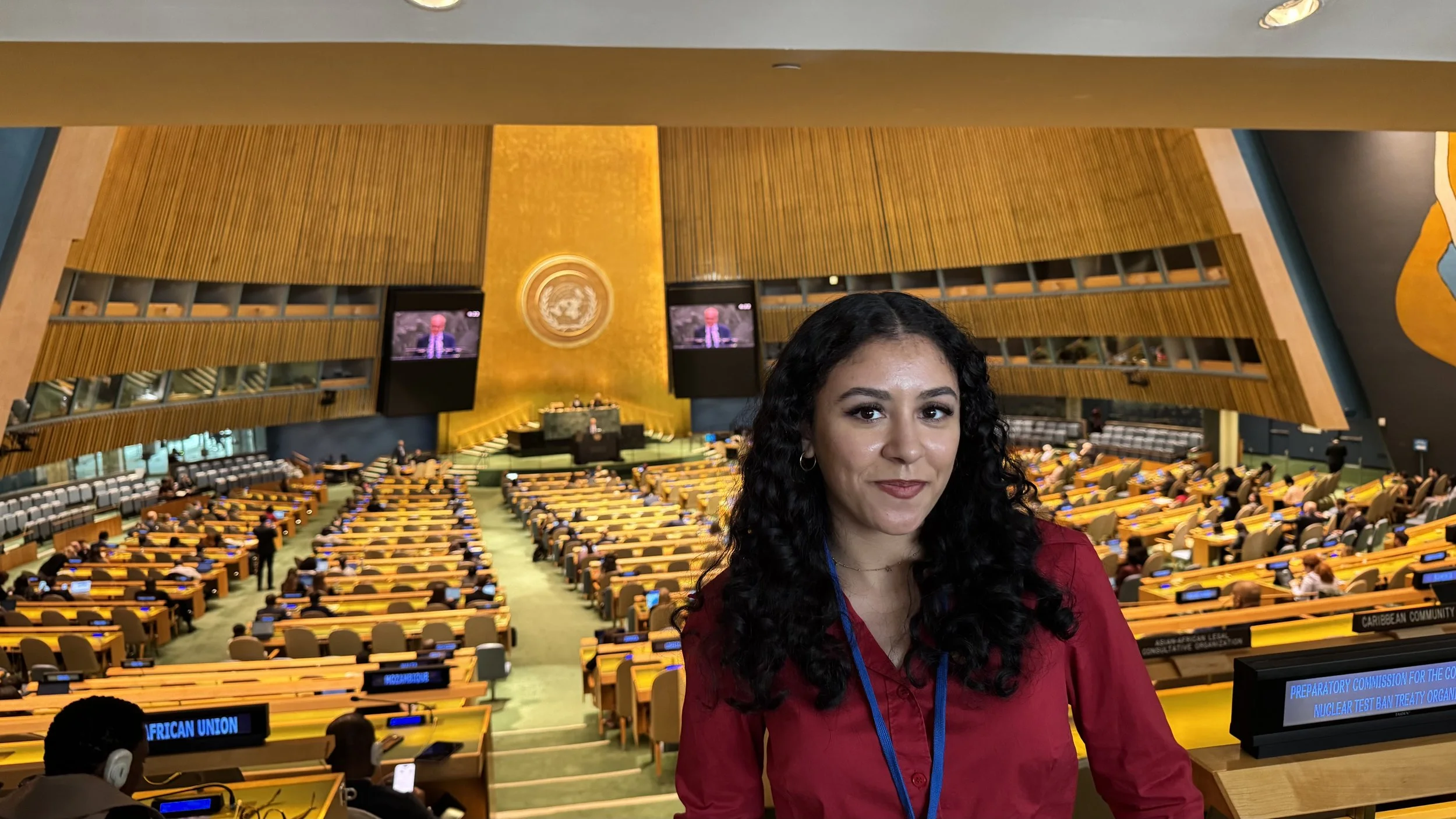
The UK Senior UN Youth Delegate
Neisha Hussain is the UK's Senior UN Youth Delegate, representing the United Kingdom within the United Nations Commission on Population and Development and bringing the perspectives of young people into international policy discussions. Selected to advise the UK Government, she works at the intersection of diplomacy, multilateral cooperation and international development, contributing to negotiations, policy development and advocacy on global issues. Originally appointed, at just 18, as the UK's sole UN Youth Delegate by the UK Minister for International Development in 2025, Neisha later becomes the country's first Senior UN Youth Delegate following her recommendation of a junior-senior delegate model. The revised structure strengthens continuity within the delegation by enabling delegates to mentor one another, retain institutional knowledge and build longer-term relationships across government and international partners. Throughout her term, Neisha co-authors and delivers the UK's National Statement, advises on policy positions, contributes to negotiation strategy, speaks at United Nations side events, and hosts a high-level side event co-sponsored by four governments across Europe, Africa and Latin America. Beyond formal negotiations, she collaborates with government officials, diplomats, civil society organisations and international partners to advance dialogue on gender equality, humanitarian response, and women's health and rights. Alongside her work at the United Nations, Neisha shares insights into diplomacy, multilateral cooperation, international development and careers in global affairs, with a particular focus on making United Nations processes and international institutions more accessible to the next generation of leaders.
The Role
The role of a UK UN Youth Delegate extends far beyond attending United Nations meetings. Throughout her term, Neisha worked across government, diplomacy and civil society to ensure that young people's perspectives informed UK engagement within multilateral processes.
💡 Advising the UK Government from a Youth Perspective
As the UK's Senior UN Youth Delegate, Neisha worked alongside the Foreign, Commonwealth & Development Office (FCDO), providing youth perspectives on population, development, gender equality and multilateral cooperation. This included contributing to policy discussions, advising on UK positions and supporting engagement with international partners.
🗣️ Representing the United Kingdom at the United Nations
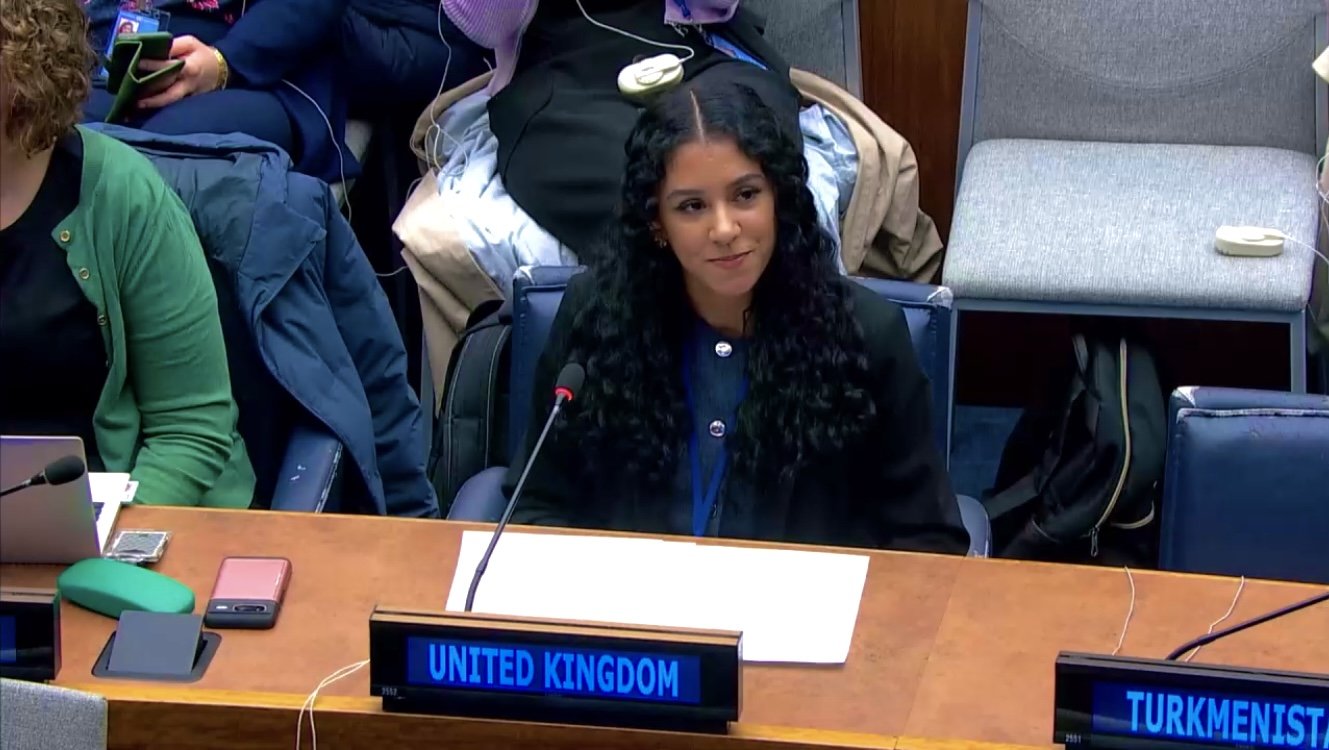
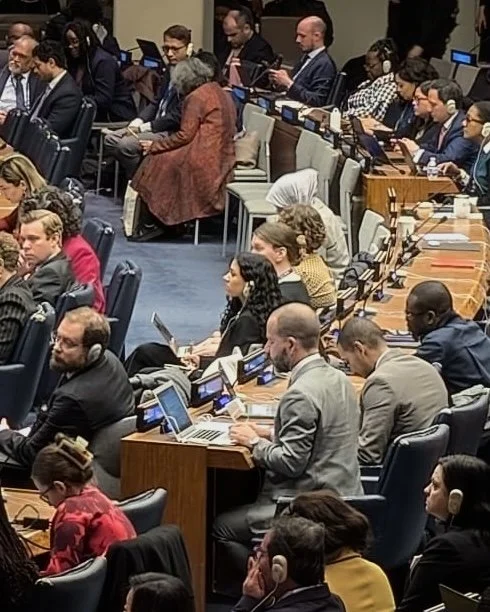
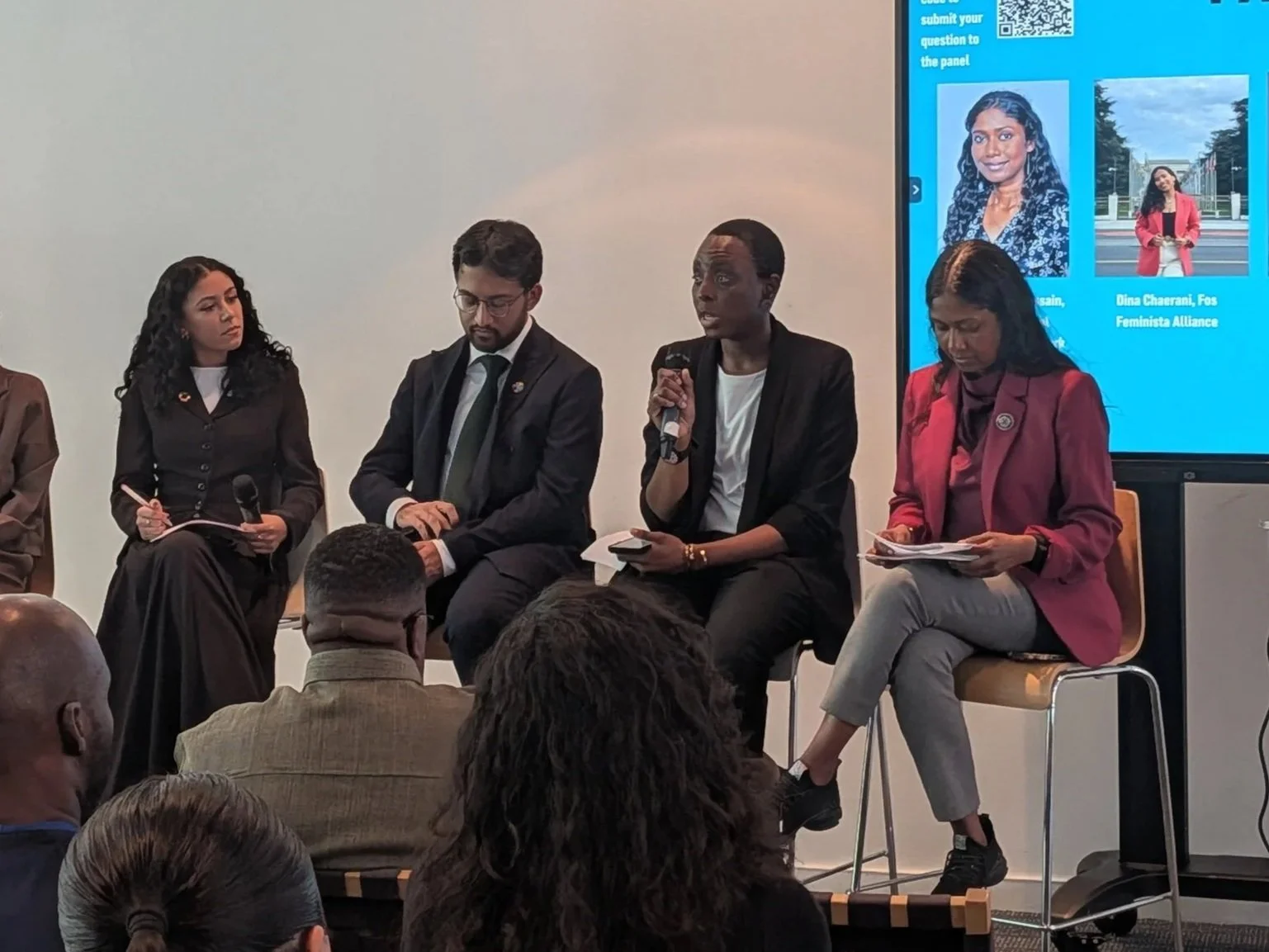
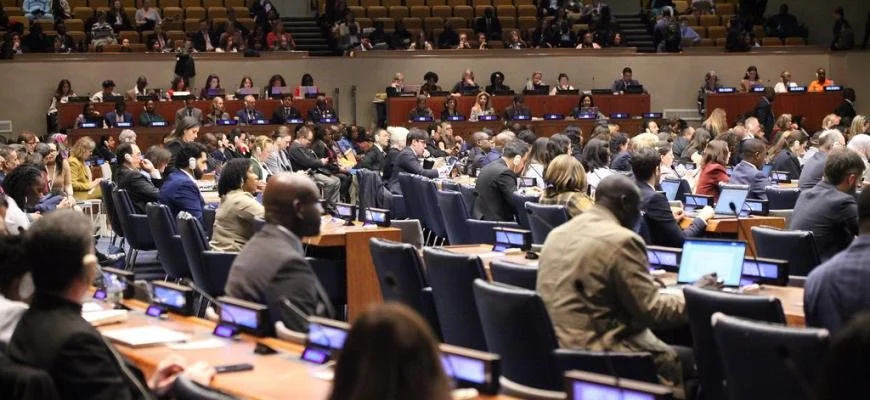
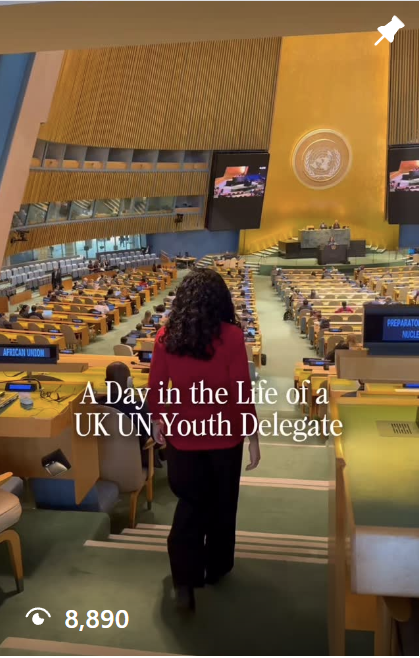
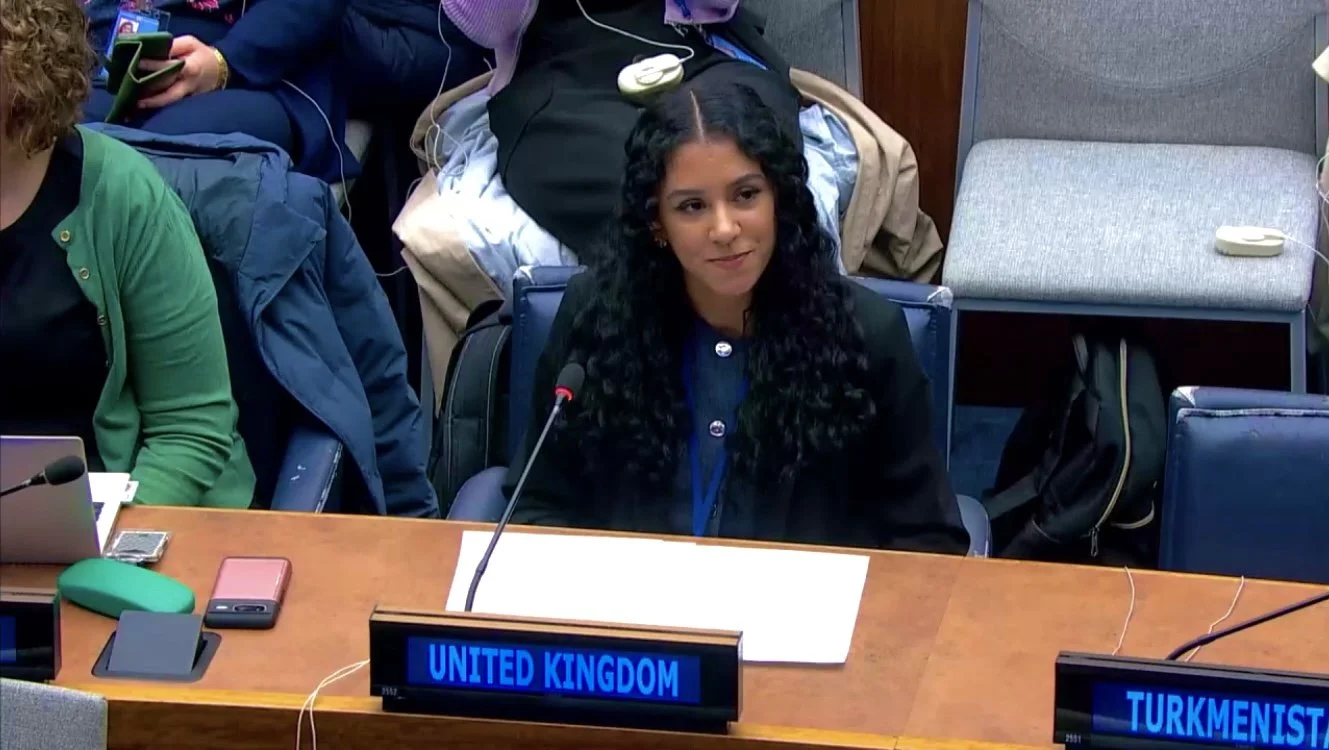
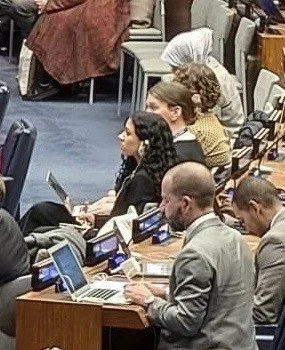
Neisha represented the UK at high-level meetings, negotiations, side events and panel discussions at United Nations Headquarters in New York. During the 58th Session of the Commission on Population and Development (CPD58), she co-authored and delivered the UK's National Statement on behalf of the UK Delegation.
🌍 Contributing to Multilateral Negotiations
The Commission on Population and Development brings together Member States to negotiate agreed language and recommendations on global population and development issues. Throughout the Commission, Neisha contributed to policy discussions, analysed draft negotiation text and developed an understanding of the diplomatic processes that shape international agreements.
📢 Hosting a United Nations Side Event
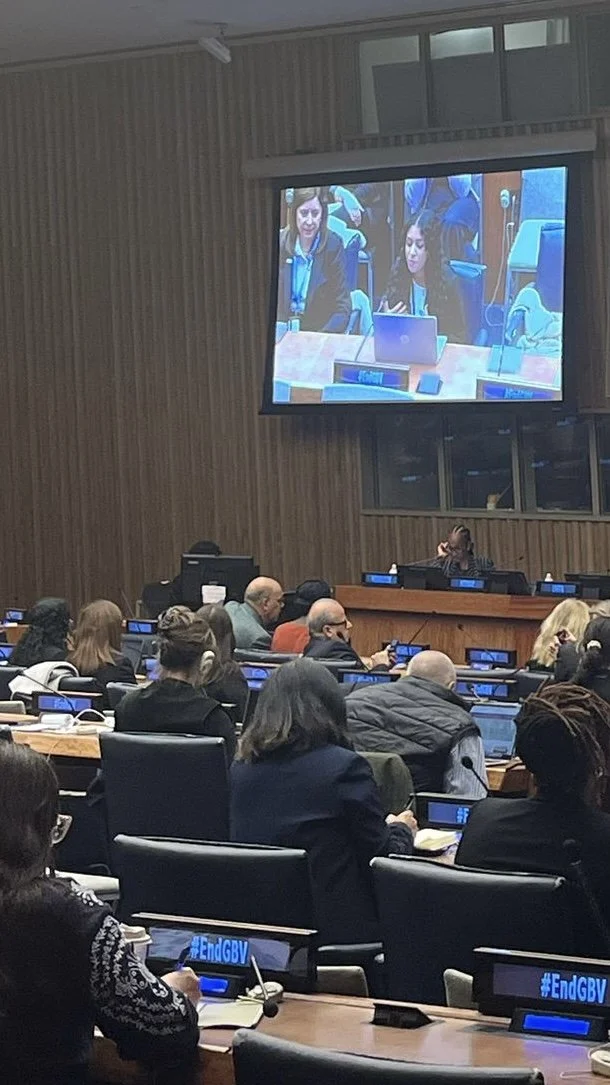
As part of the UK Delegation, Neisha designed and hosted an interactive multi-stakeholder side event exploring technology, safety and the rights of women and girls. The event was co-sponsored by partners across Europe, Africa, Asia and Latin America. It brought together representatives from governments, civil society and international organisations and was co-sponsored by four governments across Europe, Africa and Latin America.
🤝 Building Partnerships Across Government and Civil Society
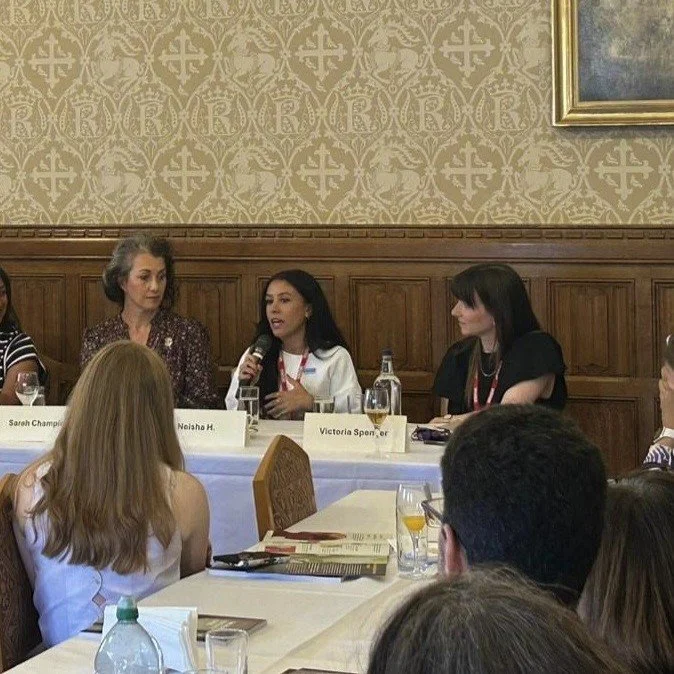
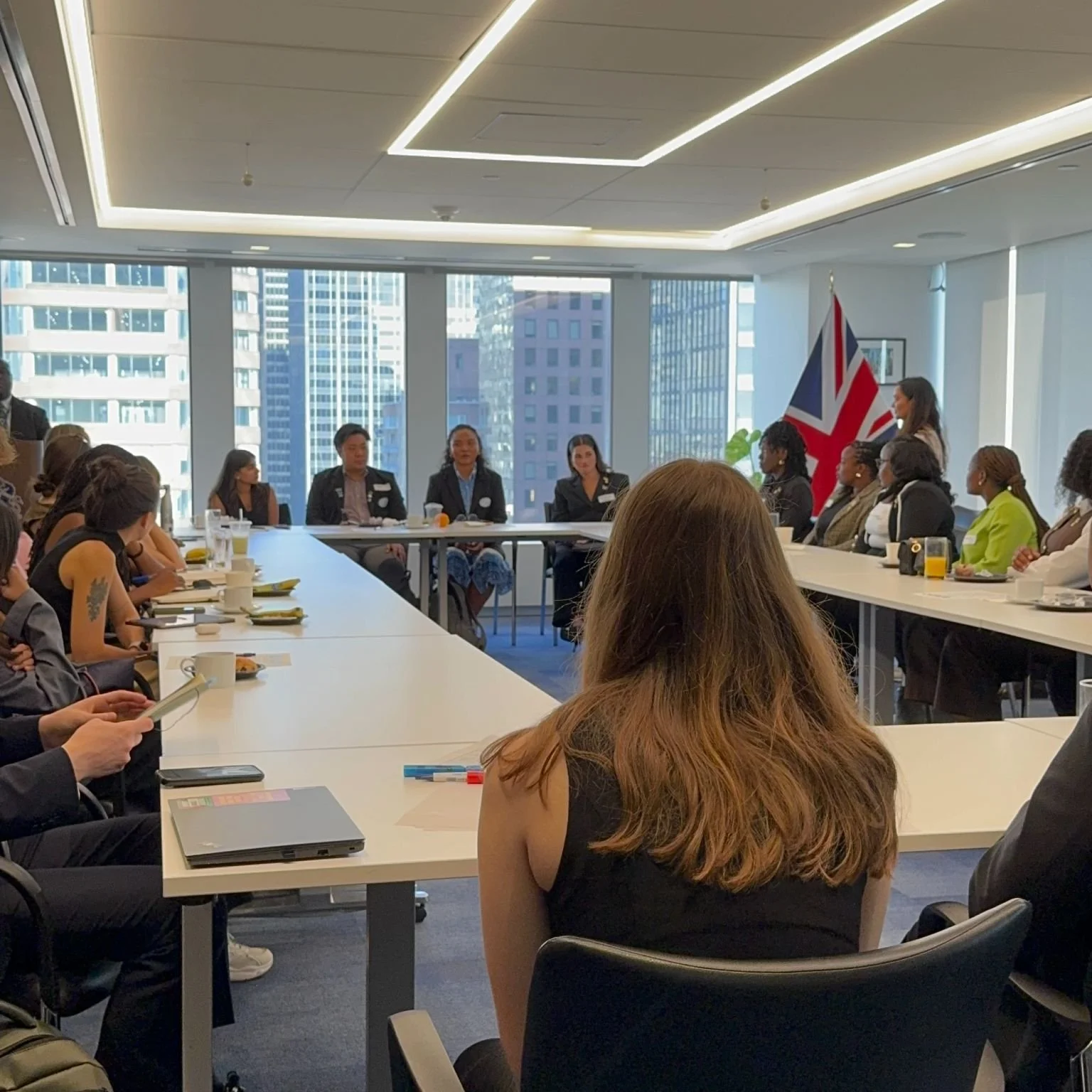
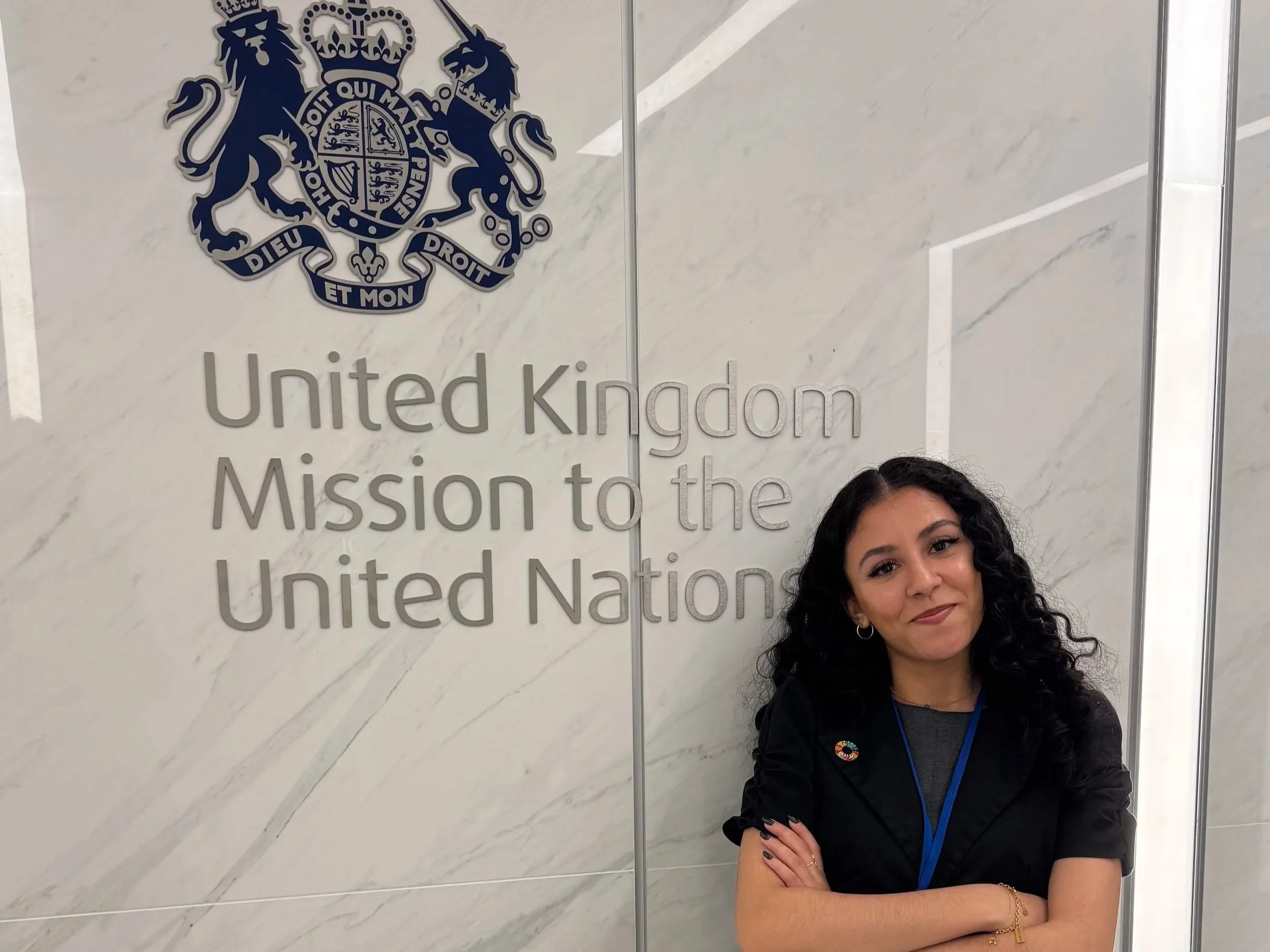
The role involved working with a wide range of stakeholders, including government departments, United Nations agencies, non-governmental organisations and youth representatives. Neisha collaborated with civil society organisations, participated in bilateral meetings with ministers and senior officials, and hosted a breakfast at the UK Mission to the United Nations to strengthen collaboration between international youth delegates.
🌐 Making the United Nations More Accessible
Alongside her policy work, Neisha sought to make United Nations processes more accessible to young people. Through public speaking, digital content and educational resources, she translated complex multilateral processes into clear and practical insights, encouraging more young people to engage confidently with international affairs and diplomacy.
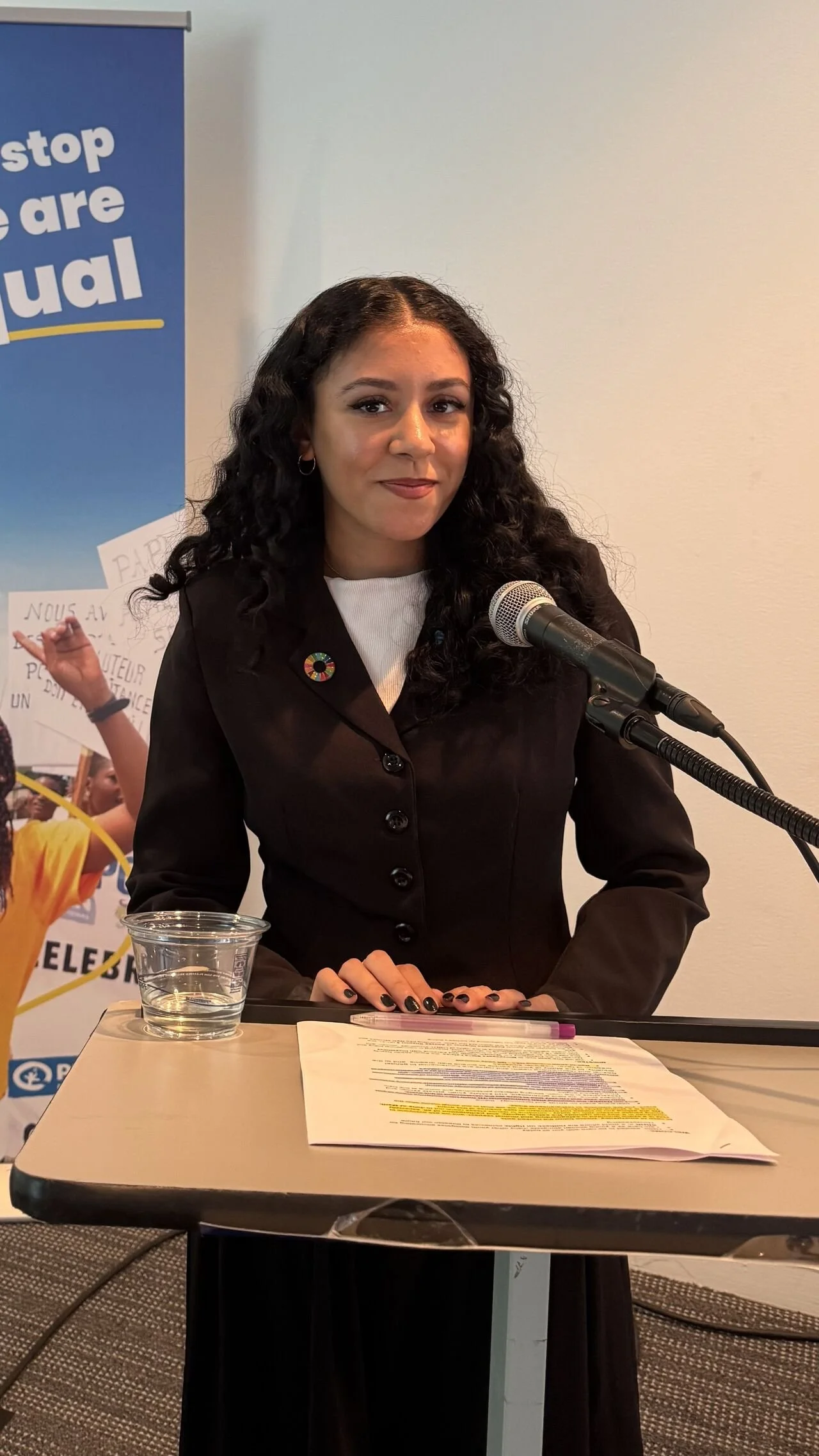
Neisha Hussain delivering the United Kingdom's National Statement at the 58th Session of the United Nations Commission on Population and Development (CPD58) in New York as the UK's sole UN Youth Delegate.
“Too often, these roles feel mystified and out of reach. They don’t have to be.”
—Neisha
Established by the UN Economic and Social Council (ECOSOC), the United Nations Commission on Population and Development (CPD) is one of the UN's principal intergovernmental bodies responsible for shaping international policy on population and sustainable development. This is the specific UN conference which the UK has sent a UN Youth Delegate to for the last three years (2024-2026).
The Commission explores how population trends influence issues such as economic development, education, migration, ageing populations, urbanisation, gender equality, health, humanitarian crises and sustainable development. These discussions help inform international cooperation and influence policies adopted by governments around the world.
Each annual session focuses on a specific theme, with governments negotiating an Outcome Document that reflects shared priorities and recommendations for future action. These negotiations require countries to balance differing political perspectives while working towards international consensus.
Although less well known than the UN General Assembly or the Commission on the Status of Women (CSW), the Commission on Population and Development plays an important role in shaping global development policy. It provides a forum where governments, United Nations agencies, academics and civil society organisations collaborate to address long-term demographic challenges and strengthen international cooperation on issues that affect billions of people worldwide.
The United Nations Commission on Population and Development
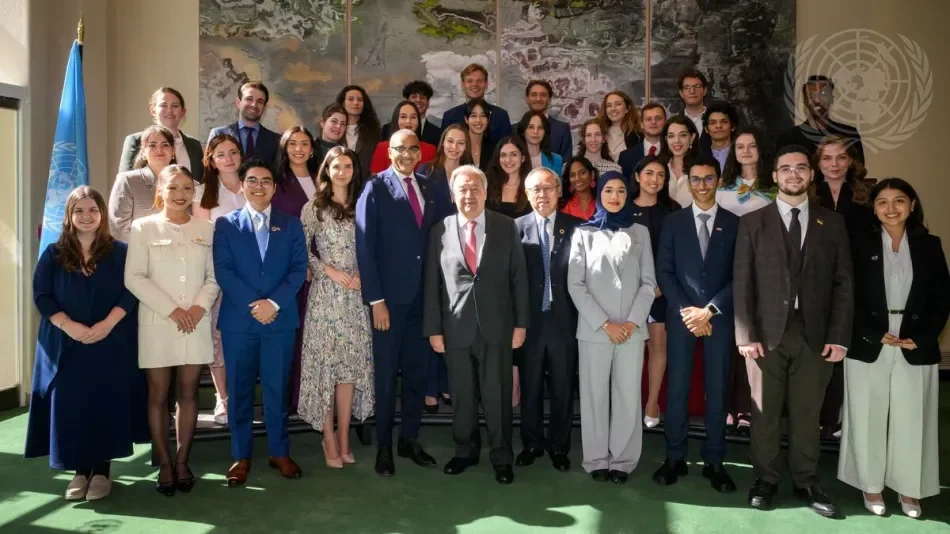
Young people make up almost half of the world's population, yet they have historically been underrepresented in international decision-making.
The United Nations Youth Delegate initiative aims to address this by enabling Member States to include young people as official members of their national delegations to the United Nations. Rather than representing the UN itself, Youth Delegates represent their own countries, bringing the perspectives, experiences and priorities of young people into multilateral discussions and negotiations. Each Member State is responsible for establishing and running its own Youth Delegate scheme. As a result, the responsibilities and influence of Youth Delegates vary significantly between countries.
However, it should be noted that the United Kingdom discontinued an UN DESA organised UN Youth Delegate programme in 2016 and the new system of Official UN Youth Delegates to the UN CPD has only been running since 2024. There are continued conversations which extend beyond representation at international meetings, focusing on how the UK can create more meaningful, accessible and sustainable opportunities for young people to contribute to policy development and international cooperation.
The Future:
While significant progress has been made in strengthening youth participation across the United Nations, ensuring meaningful youth engagement remains an ongoing challenge. Around the world, young people continue to face barriers to accessing international decision-making spaces, and opportunities to participate vary considerably between countries and UN processes. Increasingly, the conversation is shifting away from simply asking whether young people have a seat at the table, towards whether they are able to influence decisions in meaningful and lasting ways.
The establishment of the United Nations Youth Office in 2022 marks an important step in embedding youth engagement across the UN system. Its creation reflects a growing recognition that young people should be viewed not only as beneficiaries of policy, but as partners in shaping it.
Throughout her time as the UK's Senior UN Youth Delegate, Neisha works closely with the Foreign, Commonwealth & Development Office to explore how the UK can strengthen youth engagement within diplomacy and multilateralism.
Youth Representation at the UN
Timeline
Please note that Neisha is open to media opportunities regarding this role, her experience and insights.
Frequently Asked Questions
-
No. While studying International Relations or Politics can provide a helpful foundation, it was by no means a requirement. The skills that matter most are curiosity, strong communication, critical thinking and a genuine commitment to gender equality (my role was focused on this).
My own experience showed that practical engagement can be just as valuable as academic study. Before and during my time as the UK's Senior UN Youth Delegate, I built experience through youth advocacy, governance, research, public speaking, policy engagement and collaboration with charities, government and international organisations. These experiences gave me practical insights into diplomacy that complemented my university studies.
If you're interested in a career in diplomacy or the United Nations, don't feel limited by your degree choice. Focus instead on developing your expertise in the issues you care about, seeking opportunities beyond the classroom, and demonstrating the impact you can make.
-
The role was not a salaried position, although delegates received a stipend to help support participation. During my term, the role was undertaken alongside my undergraduate studies and was designed as a part-time commitment, with the workload varying throughout the year and increasing significantly around major UN events and consultations.
More broadly, remuneration in international organisations remains an important conversation. Many opportunities within the UN system, particularly for students and early-career professionals, are still unpaid or only partially funded, which can create barriers to participation for talented young people from a wide range of backgrounds.
I hope to see programmes like this continue to evolve by recognising the significant time, expertise and responsibility that delegates contribute. Ensuring young people are appropriately supported financially is an important step towards making international diplomacy more accessible and representative.
-
I'd love to, but unfortunately I can't offer one-to-one mentoring or respond in depth to every message as I receive a high volume of enquiries.
If you have a specific question about the UK UN Youth Delegate role, feel free to get in touch through the contact page or connect with me on LinkedIn. While I can't guarantee a detailed response, I'll always try to answer quick questions where I can.
If you're looking for content on a particular topic, such as careers in diplomacy, working at the United Nations, international development or youth engagement, you're also welcome to send suggestions in the contact section. I regularly create videos, articles and resources based on the questions I'm asked most often, so your idea may become part of future content that helps others too.
Get in Touch
What is this page missing? And what would you like to see in a future UN Youth Delegate Program?
[please do not use this form to ask for career advice]